OPENLANE's auctions are busier. Why isn't fee revenue keeping up?
Returning off-lease vehicles and a new commercial customer lifted activity. A different sales mix explains why fees grew more slowly, even as marketplace profit improved.
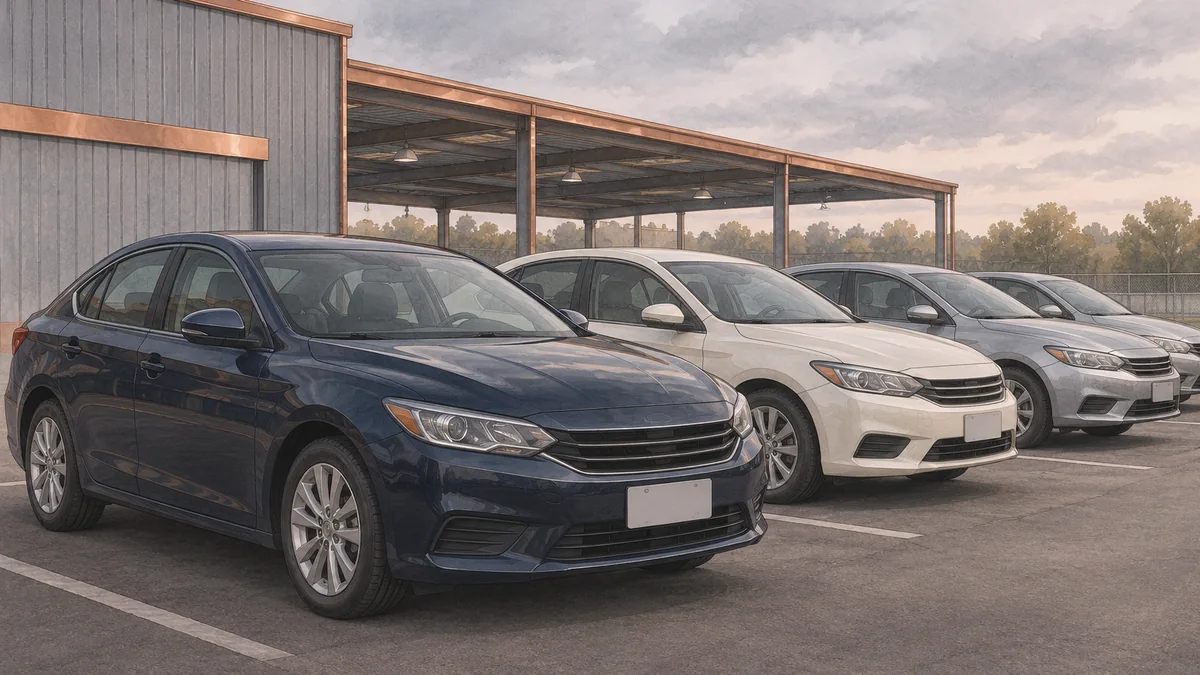
OPENLANE is selling more used cars for lenders, automakers and fleet operators. Returning leased vehicles and a new private-label customer helped lift third-quarter activity, bringing enough extra business to raise marketplace profit even as fees grew more slowly.
The wholesale used-car marketplace handled 475,000 vehicles, up about 28% from a year earlier. Auction and related fees rose about 18% to $253.2 million. Those fees represented 2.5% of the value of vehicles sold, down from 2.9%.
Cars from those commercial sellers usually produce lower fees relative to their selling value than dealer-consigned cars. OPENLANE also said the average vehicle value increased. Together, those changes help explain the lower fee share of the dollars moving through its marketplaces.
Lower yield, higher profit
Research by Ticker Byline shows that growth in vehicles sold for commercial customers accelerated to 46% from 39% in the second quarter. Management had already identified the off-lease recovery in August. The newest large customer made a substantial contribution: excluding that customer, third-quarter commercial volume growth was 17%, the company said.
Dealer-consigned volumes grew 10%, slower than the previous quarter's 13%. The shift toward commercial sellers helps explain why total vehicle sales grew faster than fees.
The lower fee yield did not prevent a substantial improvement in marketplace profitability. Third-quarter gross profit rose to $139.6 million from $119.4 million, while operating profit increased to $28.9 million from $18.2 million. Higher auction and service volumes helped overcome pricing pressure and a lower share of transactions using OPENLANE's transportation services.
| Measure | 2026 | 2025 |
|---|---|---|
| Revenue | $561.2 | $498.4 |
| Operating profit | $70.4 | $55.0 |
| Adjusted EBITDA | $106.8 | $87.1 |
| Net income | $44.7 | $47.9 |
Adjusted EBITDA rose about 23%. This company profit measure excludes taxes, depreciation, corporate interest and specified other items, while retaining the interest cost of financing dealer receivables through securitization. OPENLANE raised the bottom of its annual range to $390 million from $385 million and kept the top at $400 million.
Reported net income fell despite the operating gains. Corporate interest expense rose to $10.0 million from $1.1 million following borrowing late last year, and income taxes increased. Earnings attributed to common shareholders nevertheless rose because the remaining preferred stock converted into common shares in May, removing preferred dividends and the allocation of earnings to those holders.
Buybacks and the cash behind them
OPENLANE added $150 million to its repurchase authorization and extended it through the end of 2027. About $250 million remained available at October 31. Cash spent on common-share repurchases, including excise taxes, was $91.5 million over the first nine months.
Quarterly operating cash flow rose to $97.1 million from $72.2 million. The company's adjusted free cash flow was higher still, at $124.2 million, but that measure includes financing raised against dealer receivables as well as the cash used to expand those loans.
The OPENLANE company profile tracks those receivables, separate financing obligations and the credit available to support the business.