Grand Canyon Education adds buyback room as its cash cushion shrinks
A larger repurchase program meets a lower earnings forecast. The education-services provider has also arranged a credit line intended mainly for buybacks.
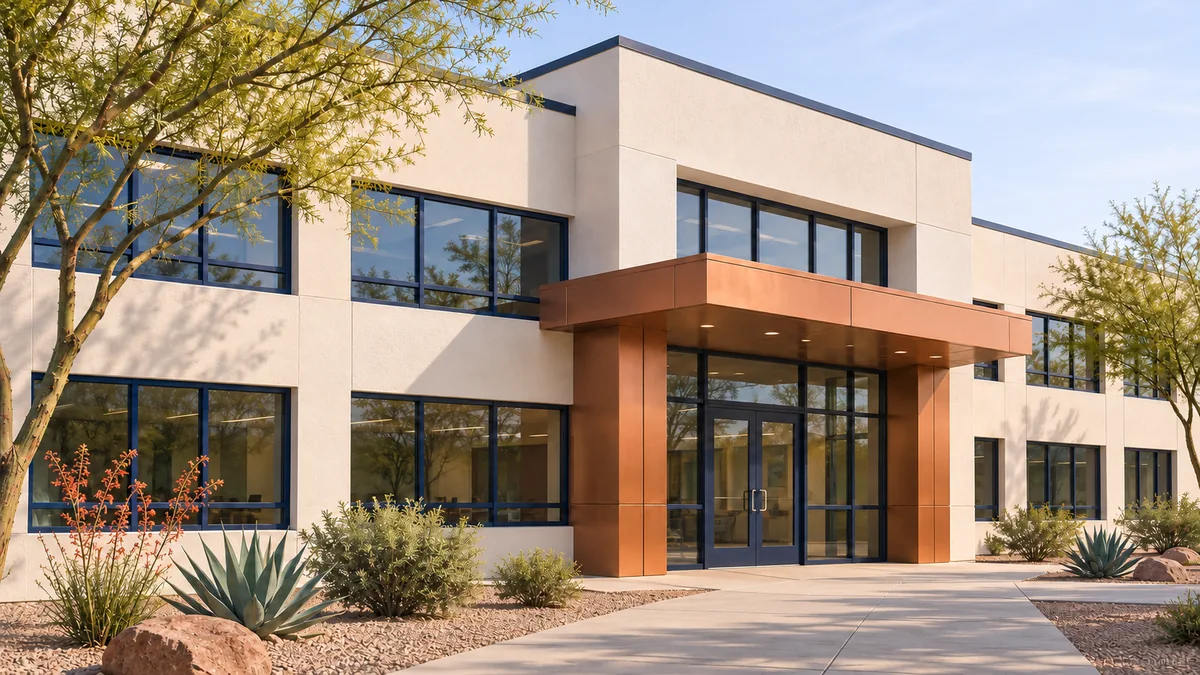
Grand Canyon Education is giving its buyback program more room just as its cash cushion gets smaller. The education-services provider added $355 million of repurchase authority while lowering its full-year sales and earnings forecasts.
The company had $162.1 million of cash and investments at September 30, down from $300.1 million at the end of 2025. Its next purchases have an additional potential source of funding: a $100 million secured credit line arranged in September, primarily for buybacks and general corporate needs.
No money had been drawn on that facility at quarter-end. The question is how the company balances further share purchases with the cash its business generates.
Buybacks have been using more than new cash generation
Operating activities generated $171.6 million of cash during the first nine months, up from $143 million a year earlier. After $29.6 million of capital spending, about $142 million remained.
Over the same period, the company spent $270.8 million on its repurchase program, plus $7.5 million on shares withheld for employee taxes. The difference helps explain the decline in cash and investments. The business generated more operating cash, but purchases of its own shares consumed substantially more.
The board approved the additional authorization on October 28. By November 2, $394.5 million remained available under the expanded program, which runs through March 2028.
The lower earnings target has some help built in
Management now expects full-year adjusted earnings of $10.09 to $10.13 per share, down from the $10.18 to $10.32 range in its original July forecast. The fourth-quarter sales and earnings ranges also fell.
Research by Ticker Byline shows that the annual earnings cut comes despite more favorable tax and share-count assumptions. The new forecast uses 26 million diluted shares rather than 26.1 million, and a 23% tax rate rather than 23.2%. Both changes ordinarily support earnings per share.
The latest quarter shows how much the smaller share base already matters. Adjusted net income fell about 8% to $45.6 million, while adjusted earnings per share barely changed, at $1.77 versus $1.78. The average diluted share count fell to 25.8 million from 27.9 million.
More students, but pressure on revenue and margins
Grand Canyon Education provides technology, marketing, enrollment and other support services to university partners. Total partner enrollment grew 5.2%, helped by online students and nursing programs. Yet third-quarter service revenue rose only 2.4% to $267.3 million, below the $268.5 million to $270.5 million range forecast in July.
Part of the slower revenue growth reflects timing. Six fewer days of traditional campus revenue shifted $7.5 million from the third quarter into the fourth. A revised agreement with Grand Canyon University also removed ancillary fees, including housing and food service, from the revenue-sharing base. That July agreement was already in place when management gave its earlier forecast.
Marketing expense rose to $65.5 million from $59.1 million, while staffing and benefit costs also increased. Adjusted operating margin narrowed to 20.5% from 22.3%.
Reported net income more than doubled, but the comparison benefited from a $35 million litigation settlement expense in the previous year's quarter. Removing that and other specified items reveals the decline in adjusted profit.
The Grand Canyon Education company profile sets out the revised targets, cash resources and borrowing terms. Whether the smaller share base can keep supporting earnings per share now depends on the pace of repurchases and the business's ability to rebuild its cash cushion.